Jen Stoltenberg said NATO has reached a deal with Turkey to admit Finland and Sweden

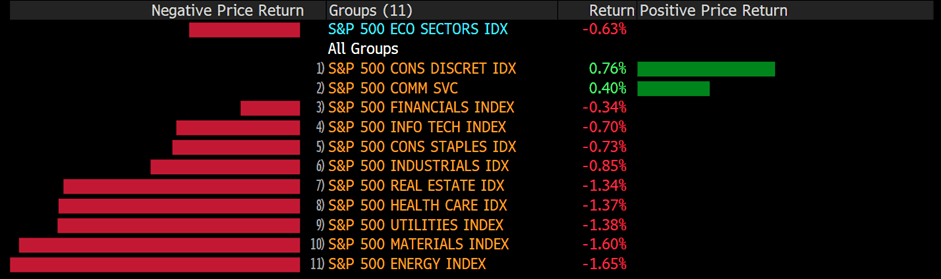
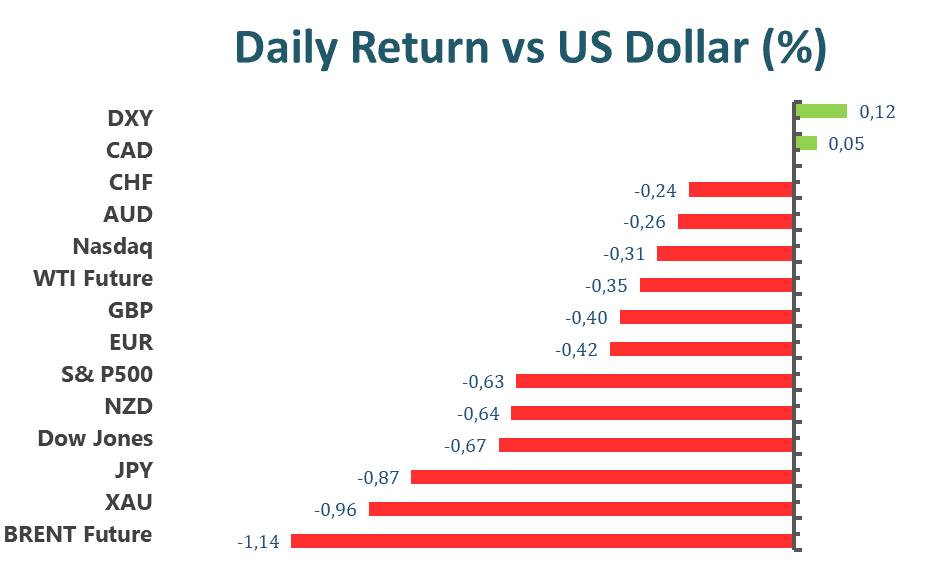
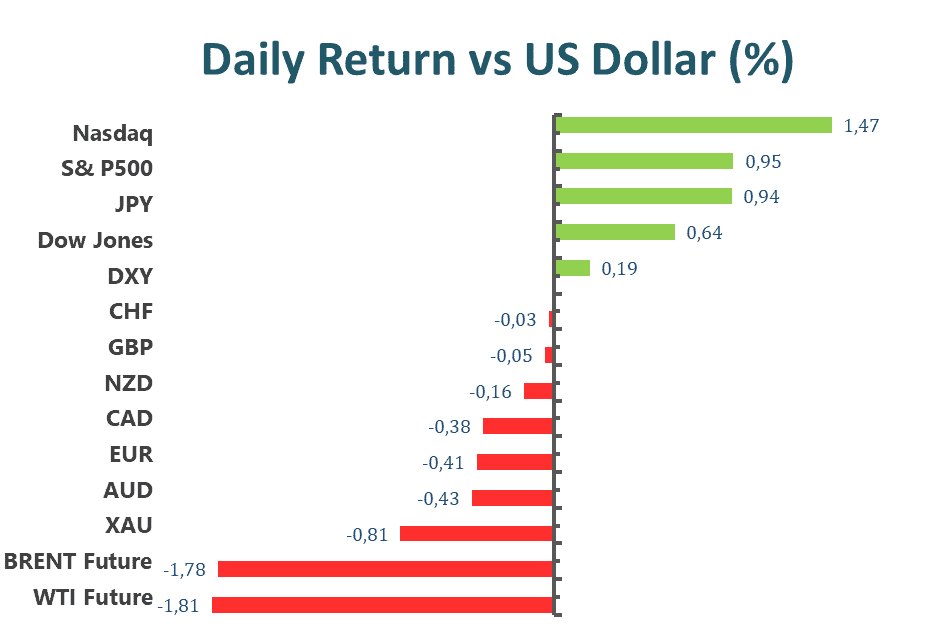
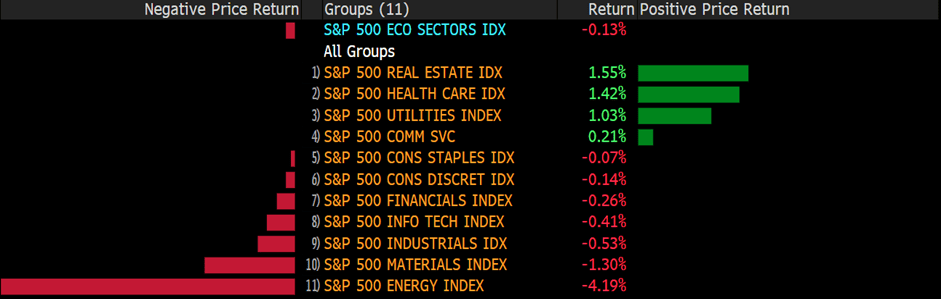
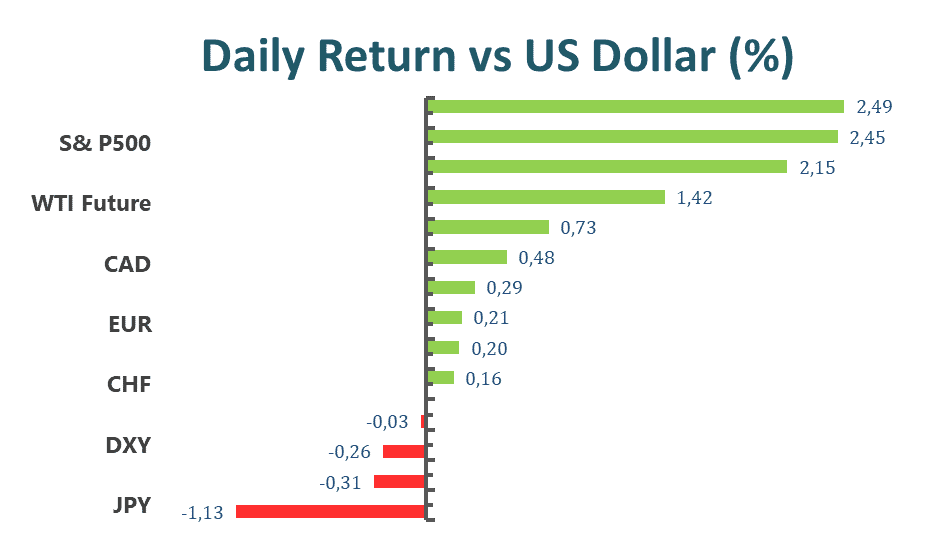
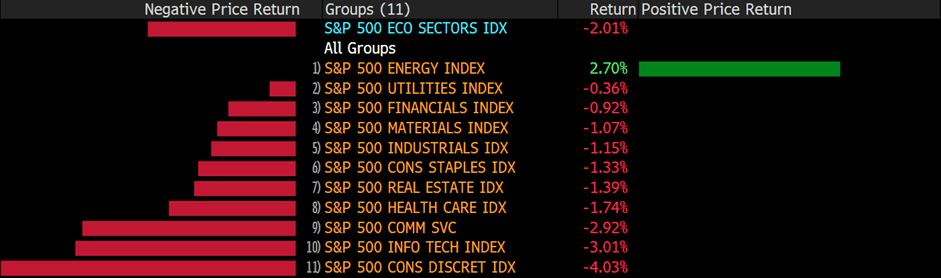
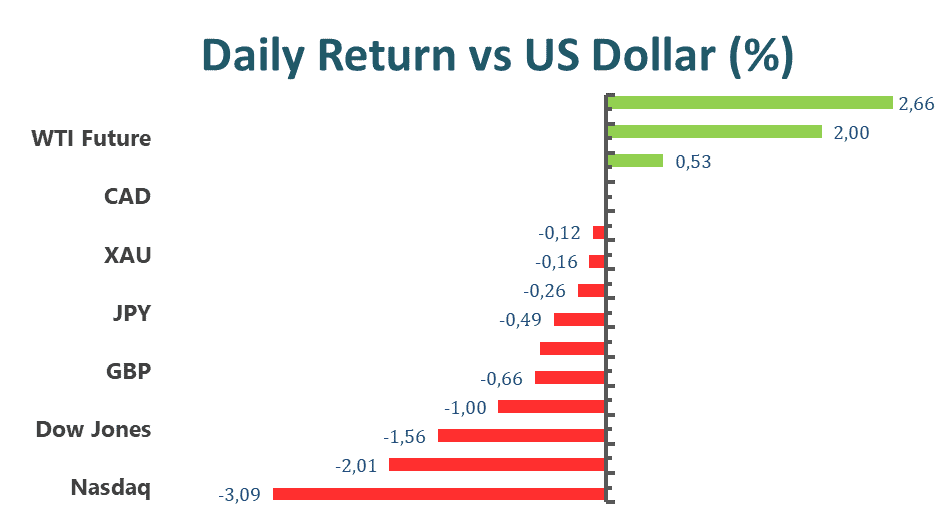
US shares fell heavily on Tuesday following the release of CB Consumer Confidence, worse- than- expected. In the meantime, markets and investors are worried about oil prices stably staying at the high price while the Fed is not interested in slowing down. The Dow Jones Industrial Average dropped 1.56%. The Nasdaq Composite slid 3%, to 11,181.54 while the S&P 500 declined 2.01%. All three major indices erased their gains from last Friday, back into the bear- market. US indices were once up more than 1% during the US session before the release of the economic data. However, as the consumer confidence fell to 98.7, it essentially indicated that investors feared a recession that might happen in the future. At the same time, the officials also mentioned that 12- month inflation expectations were 8% for June, the highest since 1987.
With the war between Russia and Ukraine remaining, NATO Secretary Jen Stoltenberg said that NATO, the most powerful military alliance, has reached a deal with Turkey to admit Finland and Sweden. Before that, Turkey was not interested in signing the agreement as the Turkish President said that he would support the Kurdish organization. The move to add both countries to members of NATO comes after Russia invades Ukraine. Countries fear becoming the next Ukraine.
Main Pairs Movement

AUD/USD was down 0.23% to 0.69055 at the end of the day. The Australian dollar was relatively weak against the US dollar as the US shares fell sharply amid the risk sentiment, which came from the decline in Consumer Confidence that was released by the US.

USD/JPY advanced 0.49%, up for the third consecutive day. The Japanese Yen lost some interest from investors as the BOJ remains its monetary policy, continuously widening the gap between domestic and overseas’ yield rates. In the meantime, some news has said that the BOJ might have been saddled with as much as 600 million Yen in unrealized losses.

USD/CAD oscillated at 1.28727. The strength of the US dollar, boosted by the risk sentiment, was offset by the advance of oil prices, highly related to the Canadian dollar.

WTI was up 1.84%, bullish attacking for the third- consecutive day as the sanctions on Russia remain and the chatters surrounding OPEC+ forecasts for 2022 market surplus.

Technical Analysis

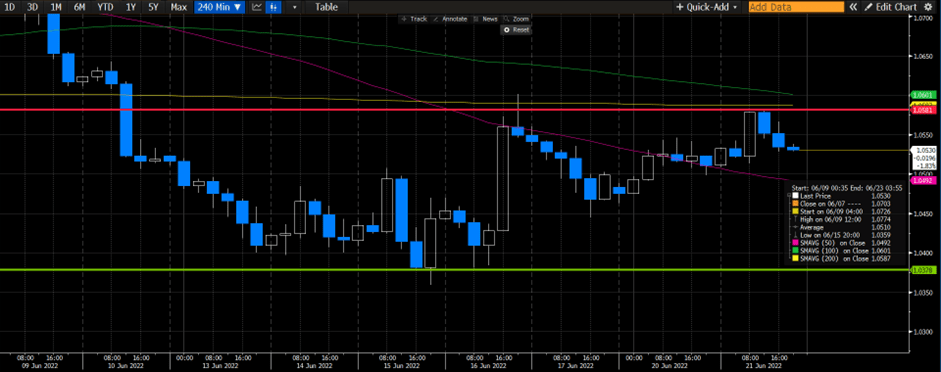
EURUSD (4-Hour Chart)
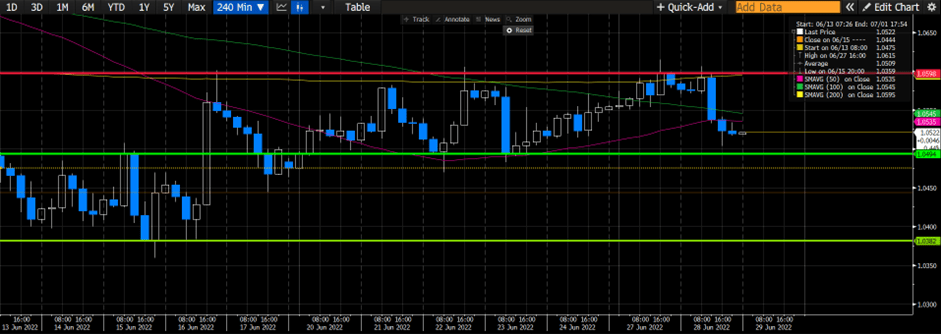
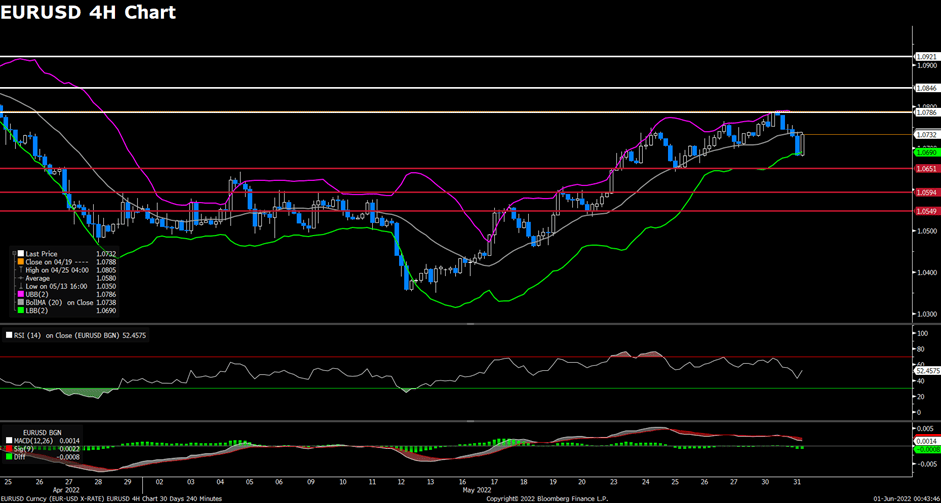
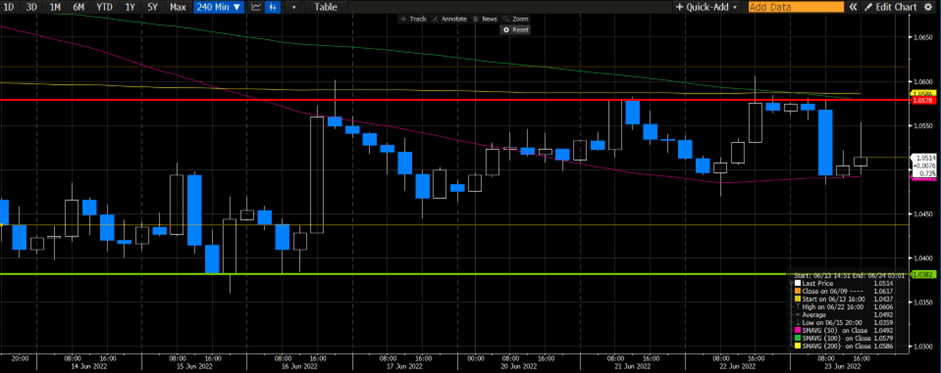
EURUSD lost 0.62% over the previous trading day. The Euro enjoyed a boost early during the European trading session as ECB president Lagarde reaffirms the central bank’s intent to raise interest rates by 25 basis points in July; furthermore, president Lagarde hints at more aggressive interest rate hikes if the central bank sees fit. On the economic docket, both ECB president Lagarde and Fed chair Jerome Powell are scheduled to speak on the 29th. U.S. GDP for Q1 is also scheduled to be released during the American trading session.

On the technical side, EURUSD retreated from our previously estimated resistance level of 1.0598 and is heading towards our projected support level of 1.0493. RSI for the pair sits at 45.7, as of writing. On the four-hour chart, EURUSD currently trades below its 50, 100, and 200-day SMA.

Resistance: 1.05754, 1.06315

Support: 1.0493

GBPUSD (4-Hour Chart)

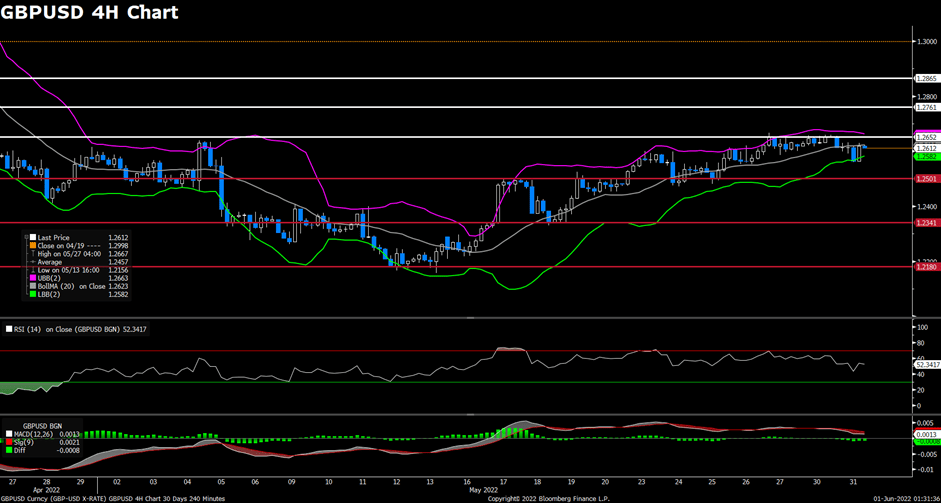
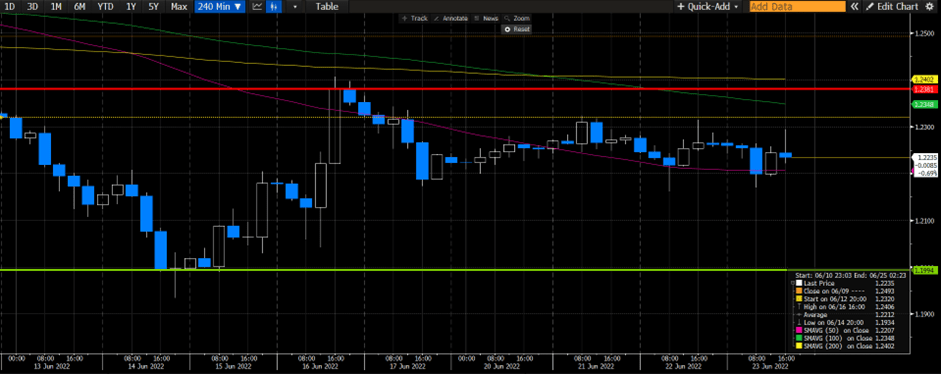
GBPUSD lost 0..68% over the previous trading day. Heightened demand for the U.S. Dollar and broader risk-averse market sentiment have sent the U.S. Greenback higher. Market participants will be closely watching the U.S. GDP release and Fed chair Jerome Powell’s speech on the 29th. On the other hand, members of parliament have voted in favour of overturning a previously agreed Brexit deal, the Northern Ireland Protocol.

On the technical side, GBPUSD is trading towards our previously estimated support level of around the 1.2173 price region. Resistance at 1.2381 remains firmly intact. RSI for the pair sits at 40.52, as of writing. On the four-hour chart, GBPUSD currently trades below its 50, 100, and 200-day SMA.

Resistance: 1.2381

Support: 1.2173, 1.20824

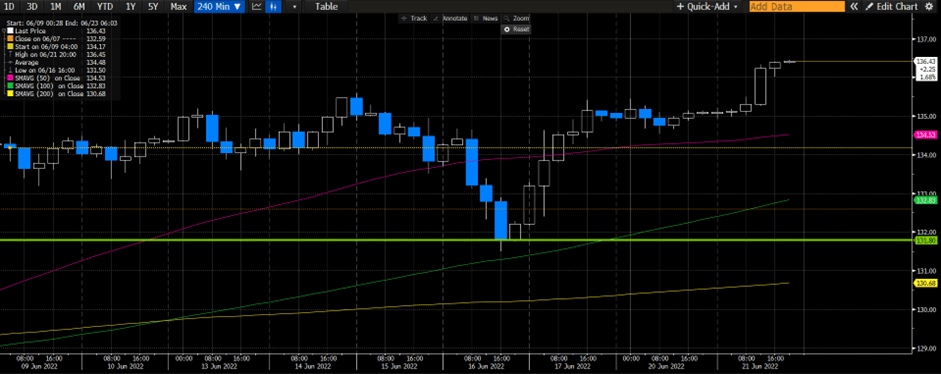
USDJPY (4-Hour Chart)

USDJPY rose 0.49% over the previous trading day. Demand for the U.S. Dollar returned as market participants remain risk-averse. The upbeat U.S. durable goods orders, unexpectedly rose 0.7% in May. This could lead to reduced chances of the Fed hiking rates at a more aggressive rate. U.S. GDP and Fed Chairman Jerome Powell’s speech tomorrow could provide price action for the pair as the short-term bullish movement of the pair remains well fueled.

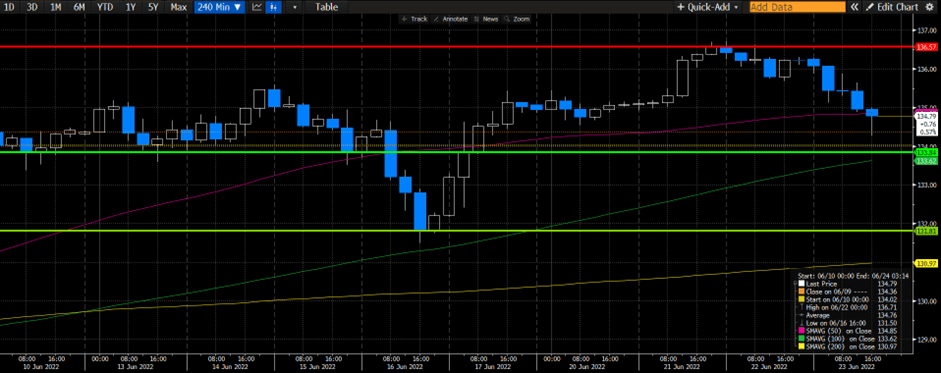
On the technical side, USDJPY has once again begun its march upwards toward our previously estimated resistance level of 136.57. Our previously estimated support level of 134.6 was successfully defended. RSI for the pair sits at 64.94, as of writing. On the four-hour chart, USDJPY currently trades above its 50, 100, and 200-day SMA.

Resistance: 136.57

Support: 134.6

Economic Data

CurrencyDataTime (GMT + 8)Forecast
AUDRetail Sales (May)09:300.4%
GBPBoE Gov Bailey Speaks19:35
USDGDP (Q1)20:30-1.5%
USDFed Chair Powell Speaks21:00
EURECB President Lagarde Speaks21:00

Russia has entered its first major foreign debt default, as the payment period expires

US shares edged lower to start the week following a major rebound from last Friday. The Dow Jones Industrial Average dropped 0.2%, to 31,438.26. The Nasdaq Composite declined 0.7% while the S&P 500 fell 0.3% at the end of the day. US stocks struggled to turn upside down on Monday as investors weighed whether the bottom has been reached and stocks have been oversold in this bear market.

Russia has entered its first major foreign debt default as the payment period expires. Interest payments of $100 million that Russia needed to pay were due on May 27 with the grace period on June 26. However, several bondholders have indicated that they have not received the payments after Russia attempted to pay in Ruble, which is blocked by international sanctions. The next test would be further 2 billion payments are due before the end of the year. If Russia continues to default, it would effectively ostracize the country from the global financial system; however, so far Russia has managed to find ways to get payments to bondholders.

Main Pairs Movement

AUD/USD edged 0.31% lower on Monday. The Aussie traded in the tight range in the absence of domestic data this week other than Retail Sales. At the end of the day, AUD/USD finished at 0.69213.

Gold turned downside after attempting to sustain above the resistance level above $1,840. Mixed US economic data undermined the market sentiment, bringing gold down to $1,822.75; the US Durable Goods Orders were up 0.7%, better- than- expected; in the meantime, Pending Home Sales dropped 13.6 YoY.

EUR/USD advanced 0.24% to 1.05820. The ECB will host the Forum on central banking in Portugal, this week; ECB President Christine Lagarde will offer a speech during the commencement.

GBP/USD consolidated, dropping 0.06% on Monday as there were no major economic events. The UK parliament members will vote on legislation that would possibly allow members to amend or rewrite Brexit deals.

WTI oil price was up 2.39% on Monday, advancing two- consecutive days. Oil prices turned upside as OPEC+ decided to cut the 2022 market surplus from 1.4 million to 1 million BPD. Moreover, due to the political turmoil in Libya, the crude oil output will shrink by approximately 600 K BPD in the oil market.

Technical Analysis

EURUSD (4-Hour Chart)

EURUSD edged higher on the first trading day of the week. The U.S. Greenback witnessed broad-based weakness as mixed data from the U.S. came in and market participants remain worried over a slowing U.S. economy. U.S. pending home sales decreased by a staggering 13.6%, year over year, for May. On the economic docket, U.S. GDP is set to release on the 29th, while EU CPI is scheduled to be released on July 1st.

On the technical side, EURUSD has traded above our previously estimated resistance level of 1.05754, but upward momentum seems to be fading. The next level of resistance sits at around the 1.06315 price region. RSI for the pair sits at 50.33, as of writing. On the four-hour chart, EURUSD currently trades near its 50-day SMA and below its 100 and 200-day SMA.

Resistance: 1.05754, 1.06315

Support: 1.0493

GBPUSD (4-Hour Chart)

GBPUSD traded mostly sideways over the first trading day of the week. Brexit continues to weigh on the British economy as members of parliament will vote on legislation that would allow ministers to rewrite parts of the post-Brexit deal and remove checks on goods entering Northern Ireland from the rest of the U.K. Market sentiment continues to put the British Pound and the U.S. Greenback in contention as the haven currency of choice as global economies show signs of recession.

On the technical side, GBPUSD continues to trade below our previously estimated resistance level of 1.2381. The support level at 1.2173 remains firm. RSI for Cable sits at 44.31, as of writing. On the four-hour chart, GBPUSD currently trades below its 50, 100, and 200-day SMA.

Resistance: 1.2381

Support: 1.2173, 1.20824

USDJPY (4-Hour Chart)

USDJPY built on last Friday’s upward momentum and continued to trade higher throughout Monday’s trading. Despite a broad-based weakness of the U.S. Greenback, the Japanese Yen continues to experience strong selling. The export-reliant country, Japan, continues on its course of a supportive monetary environment to keep exchange rates low. The benchmark U.S. 10-year Treasury yield has resumed trading above 3.2%.

On the technical side, USDJPY has rebounded strongly from our previously estimated support level of 134.6. Resistance at 136.57 remains close by and could be challenged. RSI for the pair has climbed to 62.63, as of writing. On the four-hour chart, USDJPY currently trades above its 50, 100, and 200-day SMA.

Resistance: 136.57

Support: 134.6

Economic Data

CurrencyDataTime (GMT + 8)Forecast
EURECB President Lagarde Speaks02:30
EURECB President Lagarde Speaks16:00
USDCB Consumer Confidence (Jun)22:00100.4

VT Markets Modifications on US Shares

Dear Client,

Correspond to the high volatility in the market recently, VT Markets will modify the trading setting of US Shares at the following time:

Notes: The figures above are only for reference. The actual execution data should be subject to the numbers on MT4/MT5.

Friendly reminders:
1. All specifications of US Shares stay the same except leverage.

If you’d like more information, please don’t hesitate to contact [email protected]

G-7 countries announced gold sanctions against Russia

US shares rallied on Friday, rebounding off the lows of the bear market. In the meantime, the bounce-back of the US shares capped its first weekly advance since May. The Dow Jones Industrial Average advanced 2.68%, 823.32 points. The S&P 500 jumped 3.06%, and the Nasdaq Composite rallied 3.34% to 11,607.62 on Friday. All three major indices snapped the losing streaks as investors deliberated the idea of whether stock markets have been oversold and have hit a bottom; however, several investment banks remained pessimistic outlook. Moreover to the US economic data, the US Consumer Sentiment from a University of Michigan survey hit a record low of 50 in June; a gloomy consumer sentiment means that the demand for goods and services has decreased, impacting the entire economic ecosystem, including corporates, employment opportunities, and the stock market.

Over the weekend, G-7 countries announced that they will ban the import of Russian gold, so-called gold sanctions. According to US President Joe Biden, world leaders need to work together against Russia as the invasion of Ukraine by Russia has brought and caused painful and serious impacts on food and energy supplies across the world. Imposing gold sanctions on Russia might cause a severe impact on Russia as Russia has used gold to support its currency as a way to circumvent other sanctions. One example would be swapping the gold for a more liquid foreign exchange that is not subject to sanctions from other countries.

Main Pairs Movement

EUR/USD edged higher, up 0.38% on Friday. The greenback was unable to gather bullish momentum amid the concerns of an economic slowdown in the US. In the meantime, the ECB pointed out that it would have to aim for large interest rate hikes since its monetary policy has fallen behind. Thus, the euro-dollar got boosted.

USD/JPY moved upside after the release of Japan’s inflation. The core CPI in Japan jumped to 2.1% in May, the second consecutive jump. With the BOJ continuing to keep its ultra-loose monetary policy, the Japanese Yen weakens against the greenback. On Friday, USD/JPY was up 0.17%, finishing at 135.16.

Gold was up 0.25%, and closed at $1,827.31 on Friday. The precious metal was comparably stronger than the greenback as the greenback lost some interest amid cooling hawkish expectations from the Fed.

AUD/USD was up 0.7%, trading at 0.6942 at the end of the day. The Aussie rallied as the demand for the US dollar decreased resulting in the risk sentiment. In the meantime, during the testimony of Fed Chairman Jerome Powell, he pointed out that the possibility of raising rates would be based on the incoming economic data and the outlook of the economy; thus, slightly dovish hawkish comments brought the US dollar down.

Technical Analysis

EURUSD (4-Hour Chart)

EURUSD gained 0.38% over the last trading day of the week to end the week in positive territory. Depressed PMI data from Germany and the Euro area has added concerns over an impending recession in the EU and uncertainty about the ECB’s abilities to tame inflation and support economic growth. On the economic docket, ECB President Lagard is set to speak on the 28th and Fed Chair Jerome Powell is set to speak on the 29th.

On the technical side, EURUSD continues to trade below our previously estimated resistance level of 1.05754. Selling pressure remains strong around this level. RSI for the pair sits at 55.93, as of writing. On the four-hour chart, EURUSD currently trades above its 50-day SMA, but below its 100 and 200-day SMA.

Resistance: 1.05754, 1.06315

Support: 1.0382

GBPUSD (4-Hour Chart)

GBPUSD traded sideways over the last trading day of the week. Cable ended the week with a 0.44% gain. U.K. retail sales declined by 0.5% monthly in May, thus hurting some of the demand for the British Pound. On the economic docket, British GDP figures are set to release on the 30th, after BoE governor Bailey’s speech on the 29th.

On the technical side, GBPUSD continues to trade below our previously estimated resistance level of 1.2381; on the other hand, support levels for Cable remain firm at 1.2173 and 1.20824. RSI for the pair sits at 44.58, as of writing. On the four-hour chart, Cable currently trades below its 50, 100, and 200-day SMA.

Resistance: 1.2381, 1.25047

Support: 1.2173, 1.20824

USDJPY (4-Hour Chart)

USDJPY gained 0.17% on the last trading day of the week to close the week in positive territory despite experiencing strong pullbacks on Wednesday and Thursday. The bullish sentiment continues to surround USDJPY as interest rate differences between the U.S. and Japan continue to overshadow any sort of fundamental news effects. On the economic docket, Japan’s Tankan large non-manufacturers index is set to release on the 30th.

On the technical side, USDJPY has found new support at the 134.76 price region and continues to trend upwards. The resistance level at 136.57 has not been challenged since Wednesday. RSI for the pair sits at 61.73, as of writing. On the four-hour chart, USDJPY currently trades above its 50, 100, and 200-day SMA.

Resistance: 136.57

Support: 133.84, 134.76

Economic Data

CurrencyDataTime (GMT + 8)Forecast
USDCore Durable Goods Orders (May)20:300.3%
USDPending Home Sales (May)22:00-4%

VT Markets Notification of Server Upgrade

Dear Client,

As part of our commitment to provide the most reliable service to our clients, there will be a server maintenance this weekend.

Maintenance Hours:

2022/06/25 16:00 – 18:00 (Server time)

Please be reminded that:

During this weekend’s maintenance period, clients can still trade as usual.

However, the stability of quotations and market liquidity will be affected and decreased.

Thank you for your patience and understanding.

If you’d like more information, please don’t hesitate to contact [email protected].

US stock advanced on Thursday and recovered some ground after registering minimal losses on Wednesday, as the falling US 10-year Treasury yield made stocks relatively attractive. During the testimony before the House Financial Services Committee on Monetary Policy and the State of the Economy, FOMC Chairman Jerome Powell said that a big part of inflation wouldn’t be affected by the Fed’s tools. Moreover, Fed Governor Michelle Bowman also said that she supports another 75 basis points interest rates hike in July. On the economic data side, the US manufacturing index dropped to 52.4 in June, which is an almost two-year low. Meanwhile, the S&P Global Services PMI fell to 51.6 from 53.4 in May, missing the market’s expectations and showing that contractions in output and new orders weighed heavily on the headline figure.

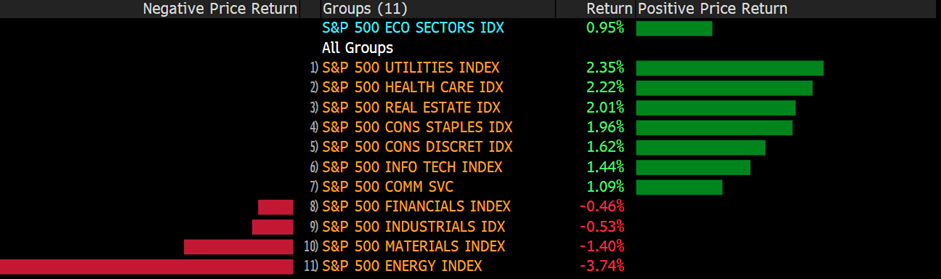
The benchmarks, S&P 500, Nasdaq 100 and the Dow Jones Industrial Average both rose on Thursday as the slide witnessed in US 10-year Treasury yield provided some support to the US equities market despite the disappointing PMI data. S&P 500 was up 1.0% daily, and the Dow Jones Industrial Average also advanced with a 0.6% gain for the day. Seven out of eleven sectors stayed in positive territory as the utilities and health care sectors are the best performing among all groups, rising 2.35% and 2.22%, respectively. The Nasdaq 100 climbed the most with a 1.5% gain on Thursday and the MSCI World index declined 0.5%. The market focus now remains on overheating inflation and potential recessions among major economies.

Main Pairs Movement

The US dollar advanced on Thursday, rebounding from a weekly low that touched on Wednesday and extending its rally toward the 104.7 area amid risk-off market sentiment. The DXY index started to see fresh buying and reached a daily high above 104.7 level in the early European session, but then lost its bullish traction to surrender some of its daily gains. The safe-haven greenback continued to find demand amid escalating fears about a global recession, as the US PMI data came in weaker than expected and fueled recession-related concerns.

GBP/USD edged lower with a 0.08% loss on Thursday amid bullish momentum witnessed in the US dollar across the board. The better-than-expected UK PMI prints for June have helped the cable to find some demand and recovered most of its intra-day losses. The cable touched a daily low below 1.218 level in the early European session, now trading at 1.226 at the time of writing. Meanwhile, EUR/USD slumped to a daily low below the 1.049 mark but then rebounded modestly to offset some of its intraday losses. The pair was down almost 0.44% for the day.

Gold declined and touched a daily low near $1823 during the American session, as the broad US dollar strength continued to exert bearish pressure on the precious metal. Meanwhile, WTI oil dropped to a near six-week low amid the recession fears.

Technical Analysis

EURUSD (4-Hour Chart)

After three days of gains, EURUSD entered a sharp correction on Thursday as risk-off sentiment returned across global markets. Fed Chair Jerome Powell’s testament on Wednesday added concerns of a recession in the U.S.. Chairman Powell points out the possibility of an interest rate-induced recession as the central bank aims to aggressively pull back inflation. On the other hand, recession in the European zone could be well underway as PMI from Germany drops to a multi-year low of 52, indicating stalling demand and drastic slow down of the economy. The EU leaders’ summit will reconvene on Friday.

On the technical side, EURUSD continues to face strong resistance at our previously estimated level of around 1.05483. The new level of support could form around the 1.049 price region, but there are no technical indications of it yet. RSI for the pair sits at 44.42, as of writing. On the four-hour chart, EURUSD currently trades below its 50, 100, and 200-day SMA.

Resistance: 1.05483, 1.06315

Support: 1.0382

GBPUSD (4-Hour Chart)

GBPUSD continued to trade lower after a slight pull back from the previous trading day. British PMI contracted to 53.4, below estimates of 52.7. Risk-off sentiment has further helped the U.S. Dollar rise against the British Pound. On the economic docket, the British retail sales and the American existing home sales data are slated to release during the European trading session and American trading session, respectively.

On the technical side, GBPUSD remains depressed under our previously estimated resistance level of 1.239. Near-term support for Cable remains at 1.2173. RSI for the pair sits at 48.18, as of writing. On the four-hour chart, GBPUSD currently trades above its 50-day SMA, but below its 100 and 200-day SMA.

Resistance: 1.25944, 1.239

Support: 1.2173, 1.20824

USDJPY (4-Hour Chart)

USDJPY continues to drop for the second straight day. The risk-off sentiment has driven flows from the U.S. Dollar to a more supportive monetary environment for the Japanese Yen. With the U.S. benchmark 10-year Treasury yield falling back towards 3%, market participants the Dollar is losing steam amidst recent rallies. Some analysts are predicting that a further depreciation of the Japanese Yen could push the BoJ to intervene in monetary supply, however, no indication of such actions has been found yet.

On the technical side, USDJPY faced strong selling pressure at around the 136.6 price region. Near-term support for USDJPY sits at 133.84 and 131.81. RSI for the pair has resumed to normal territory and is sitting at 60.99, as of writing. On the four-hour chart, USDJPY currently trades above its 50, 100, and 200-day SMA.

Resistance: 136.57

Support: 133.84, 131.81

Economic Data

CurrencyDataTime (GMT + 8)Forecast
NZDNew Zealand—Maori New Year’s HolidayAll Day
GBPRetail Sales (May)14:00-0.7%
EURGerman IFO Business Climate Index (Jun)16:0092.9
EUREU Leaders Summit18:00
USDNew Home Sales (May)22:00588K

VT Markets The Adjustment Of Weekly Dividend Notification

Dear Client,

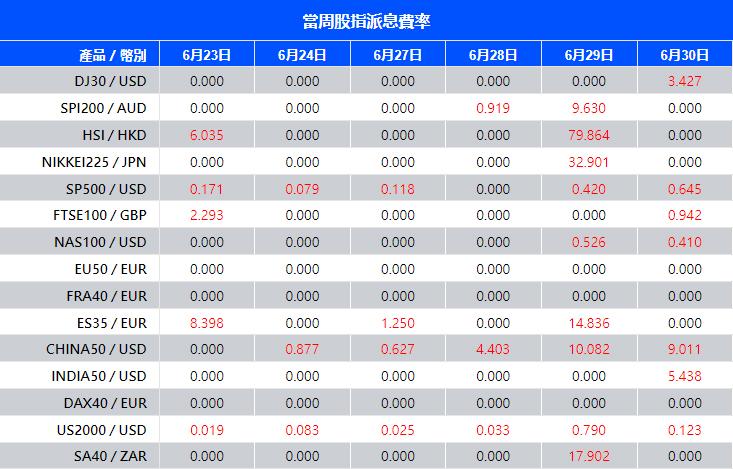
Warmly reminds you that the component stocks in the stock index spot generate dividends. When dividends are distributed, VT Markets will make dividends and deductions for the clients who hold the trading products after the close of the day before the ex-dividend date.

Indices dividends will not be paid/charged as an inclusion along with the swap component. It will be executed separately through a balance statement directly to your trading account, the comment for which will be in the following format “Div & Product Name & Net Volume ”.

Please note the specific adjustments as follows:

Note: The above data is for reference only, the actual execution date may be changed, please refer to the MT4/MT5 software for details.

If you’d like more information, please don’t hesitate to contact [email protected]

US shares edged slightly lower on Wednesday in choppy trading as markets struggled to sustain a rebound from earlier Wednesday following the hearing from the Fed Chairman Jerome Powell. The Dow Jones Industrial Averages fell 0.15% while the S&P 500 dropped 0.13%; in the meantime, the Nasdaq Composite edged 0.15% lower to 11,053.08 at the end of the day.

On the hearing from the Fed Chairman, Jerome Powell, he emphasized on the Fed is fully committed to bringing prices, so-called inflations, under control, even if doing so risks an economic downturn. Meanwhile, the Fed is not attempting to engineer a recession or provoke a recession although Powell understands and acknowledges that the incident of a recession might be possible as several central banks are having a hard time reducing inflations. Moreover, during the hearing, Jerome Powell reiterated that continuously increasing the interest rates would be appropriate, and he declined to rule out the possibility of a 100 basis point move if needed. According to the Fed’s latest economic projection, it expects the inflation by 2022 to drop only 5.2%, lower than the projection in April, 6.3%.

Main Pairs Movement

WTI oil price tumbled 4.95% as the market feared a looming recession would drag down global oil demand. At the same time, US president Joe Biden’s administration was locked in a dispute with the US oil industry.

EUR/USD was up 0.32%, finishing with 1.05641 at the end of the day. EUR/USD advanced for a third consecutive day. The demand for the US dollar seemed to become softer on Wednesday even the Fed Chairman Jerome Powell mentioned that he would never take any size of interest rate hike off the table during his testified hearing.

AUD/USD dropped 0.63%, to 0.69246 on Wednesday. The Aussie lost demand despite the PMI data in Australia beating estimates. The PMI landed at 52.6, significantly higher than the expectation of 49.1. However, it failed to boost the Australian dollar.

GBP/USD declined 0.12% to 1.22606 on Wednesday. The inaction move of GBP/USD could be a mixed play as investors were cautious ahead of the preliminary PMI data for June from both the US and the UK.

Technical Analysis

EURUSD (4-Hour Chart)

EURUSD traded higher amid broad-based Dollar weakness. The Euro extended its third gaining day and traded 0.3% higher against the U.S. Greenback. Fed chair Jerome Powell’s testament on Wednesday added selling pressure on the U.S. Dollar. Chairman Powell iterated that he would not leave a larger magnitude of interest rate hikes off the table as the central bank continues its effort to tame inflation. The EU leaders will be gathering on the 23rd to examine the current economic and geopolitical situations of the Eurozone.

On the technical side, EURUSD has edged above our previously estimated resistance level and 1.05483, but still faces strong selling pressure near this price level. RSI for the pair sits at 48.6, as of writing. On the four-hour chart, EURUSD currently trades below its 50, 100, and 200-day SMA.

Resistance: 1.05483, 1.06315

Support: 1.04036, 1.03783

GBPUSD (4-Hour Chart)

GBPUSD traded lower slightly despite a weaker U.S. Dollar. Market participants are alarmed by the British CPI data, which rose by 9.1%, year over year, marking its largest jump in 40 years. The BoE’s efforts to tame inflation seem to have minimal effect on the actual inflation rate. On the 23rd, Britain will release its key PMI figures, which will further price information for companies. Wednesday’s drop in Cable could not be offset by a broader-based weakness of the U.S. Greenback.

On the technical side, GBPUSD remains depressed below our previously estimated resistance level of 1.239, while support levels at 1.2173 remain firm. RSI for Cable sits at 52.18, as of writing. On the four-hour chart, GBPUSD currently trades above its 50-day SMA, but below its 100, and 200-day SMA.

Resistance: 1.25944, 1.239

Support: 1.2173, 1.20824

USDJPY (4-Hour Chart)

USDJPY has plateaued near the 136 price level as the U.S. Dollar loses demand over the past couple of days. A pull back on the U.S. 10-year Treasury yield has helped the Japanese Yen gain steam against the U.S. Dollar. Since the beginning of April, the Japanese Yen has fallen more than 12% against the U.S. Greenback, further depreciation of the Japanese Yen could pose fundamental threats to the currency; however, with chairman Jerome Powell’s testament last night, the interest rate difference between the U.S. and Japan only seems to be growing.

On the technical side, USDJPY has met fresh resistance at around the 136.28 price region. USDJPY still seems to be on a steady upward trend despite stalling around 136 for the past couple of days. RSI for the pair has dropped out of the overbought territory and currently sits at 59.5. On the four-hour chart, USDJPY is trading above its 50, 100, and 200-day SMA.

Resistance: 136.28

Support: 133.5, 132.5

Economic Data

CurrencyDataTime (GMT + 8)Forecast
EURGerman Manufacturing PMI (Jun)15:3054
GBPComposite PMI (Jun)16:3051.8
GBPManufacturing PMI (Jun)16:3054.6
GBPServices PMI (Jun)16:3051.8
EUREU Leaders Summit18:00
USDInitial Jobless Claims20:30227K
USDFed Chair Powell Testifies22:00
USDCrude Oil Inventories23:00-1.433M

VT Markets SHOP Stock Split Notification

Dear Client,

Please be advised of the upcoming SHOPIFY INC – CLASS A (SHOP) stock split that is going to take place as per the following schedule:

Ex-Date: June 29th, 2022. Common shares will trade at the new split-adjusted price.

Important implications of the Shopify Stock Split:

1. The quantity of shares of each client’s position will multiply by 10.

2. Post-split, the “open price” and “take profit / stop loss” of each position will be adjusted, which will be the original price divided by 10.

3. The estimated post-split price may be 1/10 of the EOD price on 28th, June.

4. All pending orders at the time of the split (Buy Limit, Sell Limit, Buy Stop, Sell Stop, Buy Stop Limit, Sell Stop Limit) will be cancelled.

5. All SHOP holding positions and pending orders on DEMO account will be closed as a result of the stock split.


Q. What is a stock split?
A. A stock split is a corporate action taken by companies that have seen their share price increase to levels that are either too high or are beyond the price levels of similar companies in their sector, to divide their existing shares into two or more shares.

Q. Why do stocks split?
A. The primary motive is to make the shares more affordable to small investors even though the underlying value of the company has not changed. Shopify would like its stock to be more accessible to a broader base of investors.

Q. What is the split ratio?
A. Shopify also announced it will split its stock in a 10 for 1 offering.

Q. What will this split mean to investors?
A. Each share of SHOP stock that an investor owns before Ex-Date (June 29th, 2022) will be eligible for stock split. Investors will receive nine additional shares and the stock price will be 1/10.

Here is an example:
If an investor owns 100 shares and the market price is $300, $350 as take profit. After 10 for 1 stock split, the investor will own 100*10= 1,000 shares and the estimated post-split price would be $300/10 = $30, and the take profit price will adjust to $350/10=$35.

Q. Does the 10 for 1 stock split mean the value of my SHOP shares will increase nine times?
A. Unfortunately, not. As stated in the above example, the increase in the number of stocks means every share is now worth less than its previous value, precisely, it’ll be 1/10th the previous value.

Q. How do stock splits affect short sellers?
A. Stock splits do not affect short sellers in a material way. There are some changes that occur as a result of a split that affects the short position, but they don’t affect the value of the short position(s).

If you have any questions, our team will be happy to answer your questions. Please mail to [email protected] or contact the service online.

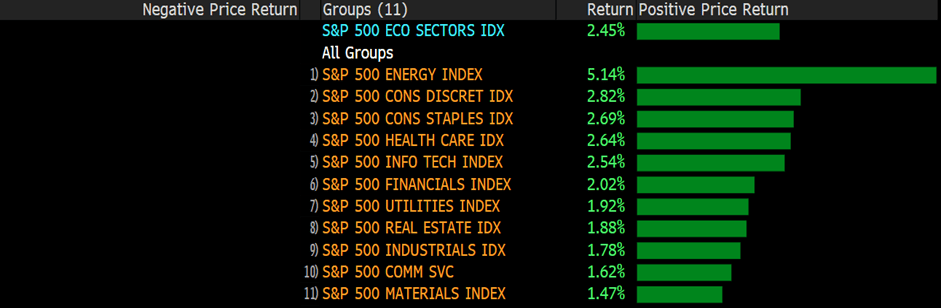
US shares jumped on Tuesday following a brutal week as investors assessed a more aggressive Federal Reserve and digested rising chances of a possible recession. The technology-heavy weighted Index, the Nasdaq Composite led the rally, popping 2.51% on Tuesday. The S&P 500 climbed 2.45%, and the Dow Jones Industrial Averages edged 2.15% higher, coming back from the worst weekly loss in two years. The bounce of the US shares seems to be a reaction that many investors fear that the equities might be oversold after more accurately pricing under inflationary pressures. More market sentiments eye on the testimony from the Fed Chairman Jerome Powell on Wednesday.

Reserve Bank of Australia Governor Philip Lowe mentioned on Tuesday that the RBA is likely to rise the interest rates by 50 basis points in July, prompting markets by denying the possibility of rising 75 basis points. However, some economists think that the RBA remains behind the curve compared to the Fed and other central banks, and such a move might bring the Australian economy into recession. In response to the doubt, Lowe passed on these forecasts, instead highlighting Australian household consumption and its unemployment rates, being near a 50- year low.

Main Pairs Movement

AUD/USD edged higher for a two-consecutive day, up 0.27% at the end of the day. The US dollar failed to extend as the market sentiment improved after the RBA minutes with the governor Philips Lowe added strength to the Aussie.

The precious metal, gold, continued to test the water and was down 0.29% on Tuesday. Gold is heading to test the $1,830 level ahead of the testimony from Jerome Powell. After the market reaction from last week, the second-tier US economic data and the Fed’s expectation this week could provide more price actions in gold.

Crude oil prices edged higher on Tuesday amid high summer fuel demand while the supplies remained tight. West Texas Intermediate price was up 0.39% to 109.192. Most economists expect oil demand to increase and improve further, benefitting from the reopening of China and the incoming summer vacation. Thus, oil prices are expected to climb north else.

USD/JPY continued to move further north as the Bank of Japan extended its ultra-loose monetary policy. The BOJ executed a record of $81 billion bond purchasing last week to calm the market and drag benchmark yields back below its closely watched ceiling. USD/JPY was up 1.15 % and closed at 116.596 at the end of the day.


Technical Analysis

EURUSD (4-Hour Chart)

EURUSD traded mostly sideways on the 21st. U.S. equities popped after the Juneteenth holiday; on the other hand, the U.S. Greenback presented some weakness as the Dollar index closed 0.06% lower. Market participants will now turn their focus on Fed chair Jerome Powell’s testimony that is scheduled during the American trading session. On the horizon, ECB’s council member Ollie Rehn hinted at a possible further interest rate hike for July.

On the technical side, EURUSD has been on a slow upward trend but resistance sits near at around the 1.05483 price level. RSI for the pair sits at 46.07, as of writing. On the four-hour chart, EURUSD currently trades below its 50, 100, and 200-day SMA.

Resistance: 1.05483, 1.07691

Support: 1.04036, 1.03783

GBPUSD (4-Hour Chart)

GBPUSD traded higher for the second straight day as the U.S. Greenback loses steam. Risk sentiment shift as global equities rallied has buoyed the British Pound as market participants rotate out of safe-haven assets, such as the U.S. Dollar. U.S. housing market showed weaker signs as existing home sales declined 3.4%, the lowest level since June of 2020. Existing home sales have fallen for the 4th consecutive month.

On the technical side, GBPUSD remains supported by our previously estimated support level at the 1.2173 price region. Near-term resistance at 1.239 remains unchallenged. RSI for the pair sits at 44.47, as of writing. On the four-hour chart, GBPUSD is currently trading below its 50, 100, and 200-day SMA.

Resistance: 1.25944, 1.239

Support: 1.2173, 1.20824

USDJPY (4-Hour Chart)

USDJPY charged higher into historical territory on the 21st. Despite the weakness shown by the Dollar Index, the Japanese Yen has continued to fall against the U.S. Dollar. The widening interest rate differential between the U.S. and Japan continues to present carry trade opportunities in the near term. The BoJ has reiterated its dovish stance and will continue to purchase government bonds at a fixed rate for the foreseeable future.

On the technical side, USDJPY remains firmly supported by the support level at 132.1 and does not see any firm resistance in the near term. RSI for the pair sits at 70.14, as of writing. On the four-hour chart, USDJPY currently trades above its 50, 100, and 200-day SMA.

Resistance: 135.56

Support: 133.5, 132.5

Economic Data

CurrencyDataTime (GMT + 8)Forecast
GBPCPI (May)14:009.1%
CADCore CPI (May)20:300.4%
USDFed Chair Jerome Powell Testifies21:30
Back To Top
server

Hello there 👋

How can I help you?

Chat with our team instantly

Live Chat

Start a live conversation through...

  • Telegram
    hold On hold
  • Coming Soon...

Hello there 👋

How can I help you?

telegram

Scan the QR code with your smartphone to start a chat with us, or click here.

Don’t have the Telegram App or Desktop installed? Use Web Telegram instead.

QR code