






Key Takeaways
- Middle East conflict keeps USOil elevated and may delay Fed rate cut expectations.
- XAUUSD tests downside liquidity near 4,996 as USDX consolidates.
- BOJ policy decision could move USDJPY as price approaches 160.
- FOMC press conference may reset Fed rate expectations.
Markets are now reacting to a geopolitical confrontation that began with Operation Epic Fury on 28 February 2026. What initially started as targeted US strikes has expanded into a broader regional conflict with no clear timeline for resolution.
The conflict has quickly moved beyond military headlines and into macroeconomics. Traders are now focused on how long the US economy can absorb the shock of rising energy prices and geopolitical risk.
Brent crude surged from roughly $70 to above $110 per barrel, signalling a sharp repricing of geopolitical risk. Analysts warn that if oil prices remain above $130, global GDP growth could fall by about 0.6% in the first half of 2026.
If oil prices continue to rise, inflation expectations could climb again and delay Fed rate cuts.
The Market “Crack” Point
Energy markets influence consumer spending faster than most macro variables.
Historically, US gasoline prices approaching $4.00 per gallon have triggered sharp declines in consumer spending. That level is often where the broader economy begins to feel the full impact of rising oil prices.
If consumer demand slows while inflation remains elevated, the Federal Reserve faces a difficult choice between supporting growth and controlling prices.
For traders, this creates a two-sided risk environment.
Equities and crypto tend to weaken if economic growth slows, while gold can benefit from uncertainty and geopolitical demand.
Consumer stress from energy prices can drive volatility across XAUUSD, BTCUSD and SP500.
The Strait of Hormuz and Global Oil Supply
Energy supply risk has become another major concern.
Roughly 20% of the world’s oil supply passes through the Strait of Hormuz, making it one of the most important energy chokepoints in global trade.
Any threat to shipping routes or tanker traffic in that region can immediately push oil prices higher.
The US Navy can attempt to secure shipping lanes, but maintaining that protection requires a large and sustained military presence. Strategic petroleum reserves can cushion short-term disruptions, but they cannot fully offset a prolonged supply shock.
Continued threats to the Strait of Hormuz could keep oil elevated and sustain inflation pressure.
If you’d like to read more about how wars affect oil prices, check out our Opinion article here.
The Stagflation Risk
The most dangerous scenario for markets is stagflation.
Rising oil prices increase inflation while also reducing consumer spending and corporate profitability. That combination slows economic growth while keeping prices elevated.
This creates a policy dilemma for the Federal Reserve. Under normal circumstances, the Fed would keep rates high to control inflation. However, a sharp slowdown or market sell-off could increase pressure on policymakers to ease financial conditions.
The geopolitical context adds another layer to the debate. Some analysts believe that a severe market downturn during a national security crisis could push political pressure on the Fed to cut rates aggressively.
Stagflation would create volatility across currencies, commodities and equities.
Strategic Endurance and Market Psychology
The conflict also introduces a strategic endurance element that markets must consider.
Iran has built a decentralised defence structure designed to withstand sustained attacks. Instead of relying on a single command centre, the country operates through multiple regional zones that can continue functioning even if leadership structures are disrupted.
This strategy is designed to prolong the conflict and increase the economic cost for its opponents.
The longer the conflict continues, the greater the pressure on oil prices, inflation and financial markets.
A prolonged conflict increases the probability of persistent oil volatility and macro instability.
Key Symbols to Watch
XAUUSD | BTCUSD | USDX | SP500 | USDJPY
Upcoming Events
| Date | Currency | Event | Forecast | Previous | Analyst Remarks |
| Mar 17 | AUD | RBA Press Conference | — | — | RBA tone may affect risk sentiment across Asia |
| Mar 18 | CAD | BOC Press Conference | — | — | Guidance on inflation outlook may influence oil-linked currencies |
| Mar 19 | USD | FOMC Press Conference | — | — | Traders assess whether oil-driven inflation delays rate cuts |
| Mar 19 | JPY | BOJ Policy Rate | — | — | USDJPY near 160 increases intervention sensitivity |
| Mar 19 | GBP | Official Bank Rate | — | — | UK policy outlook may influence GBP volatility |
| Mar 19 | EUR | ECB Press Conference | — | — | ECB commentary may affect EURUSD and USDX direction |
For a full view of upcoming economic events, check out VT Markets’ Economic Calendar.
Key Movements Of The Week
Gold (XAUUSD)
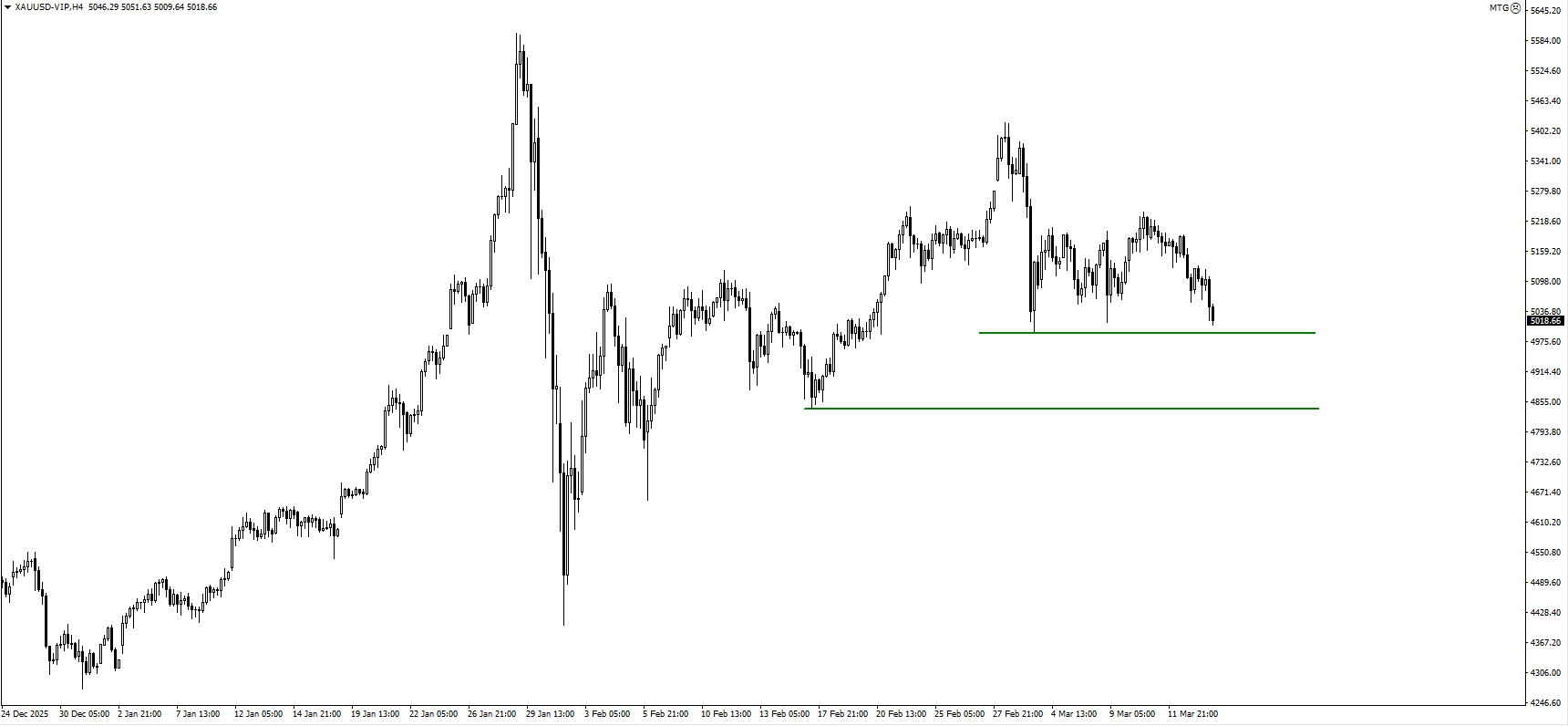
- XAUUSD continues drifting lower with 4,996.04 acting as the key downside trigger.
- Buyers may reappear near 4,842 if geopolitical risk increases.
Bitcoin (BTCUSD)
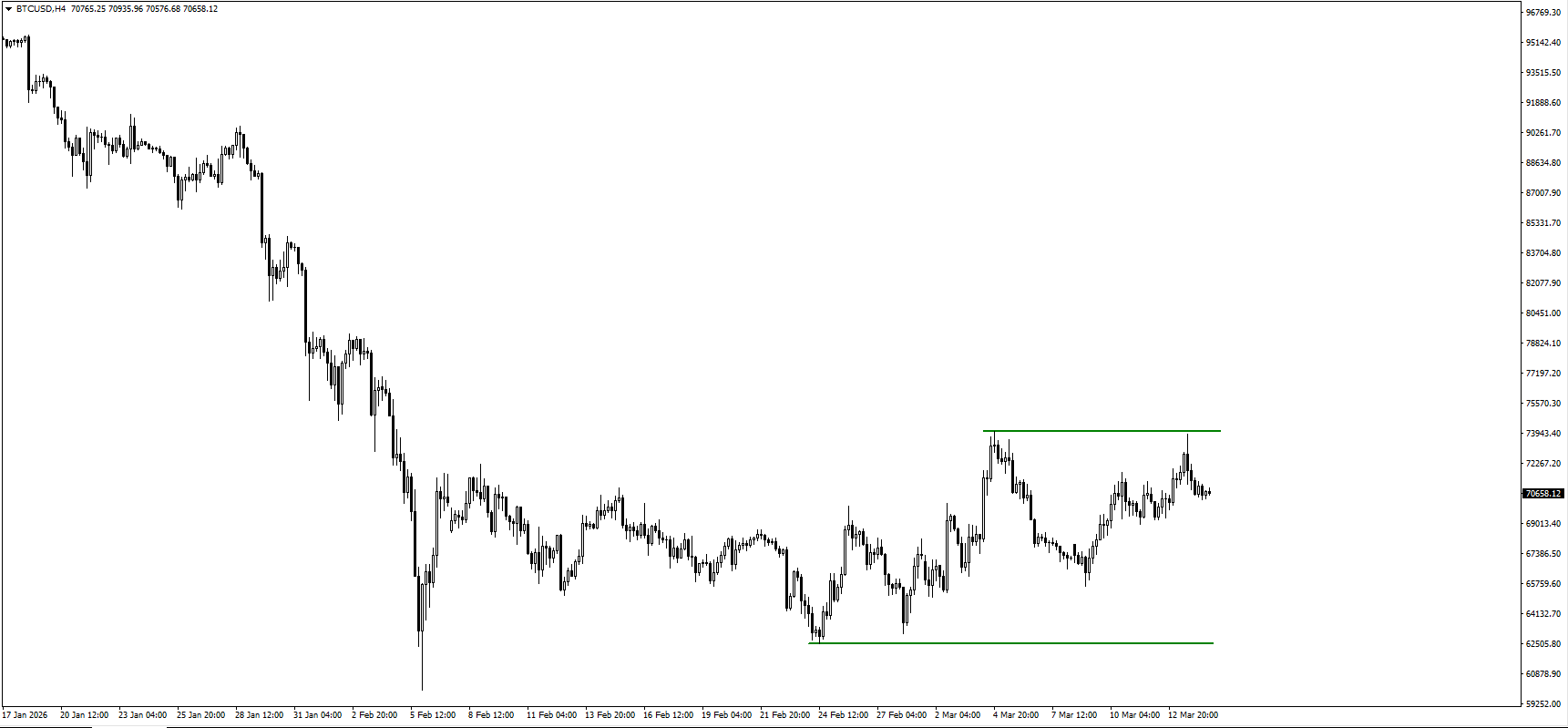
- BTCUSD consolidating below 74,041 resistance.
- 62,502 remains the last structural defence for bullish momentum.
US Dollar Index (USDX)
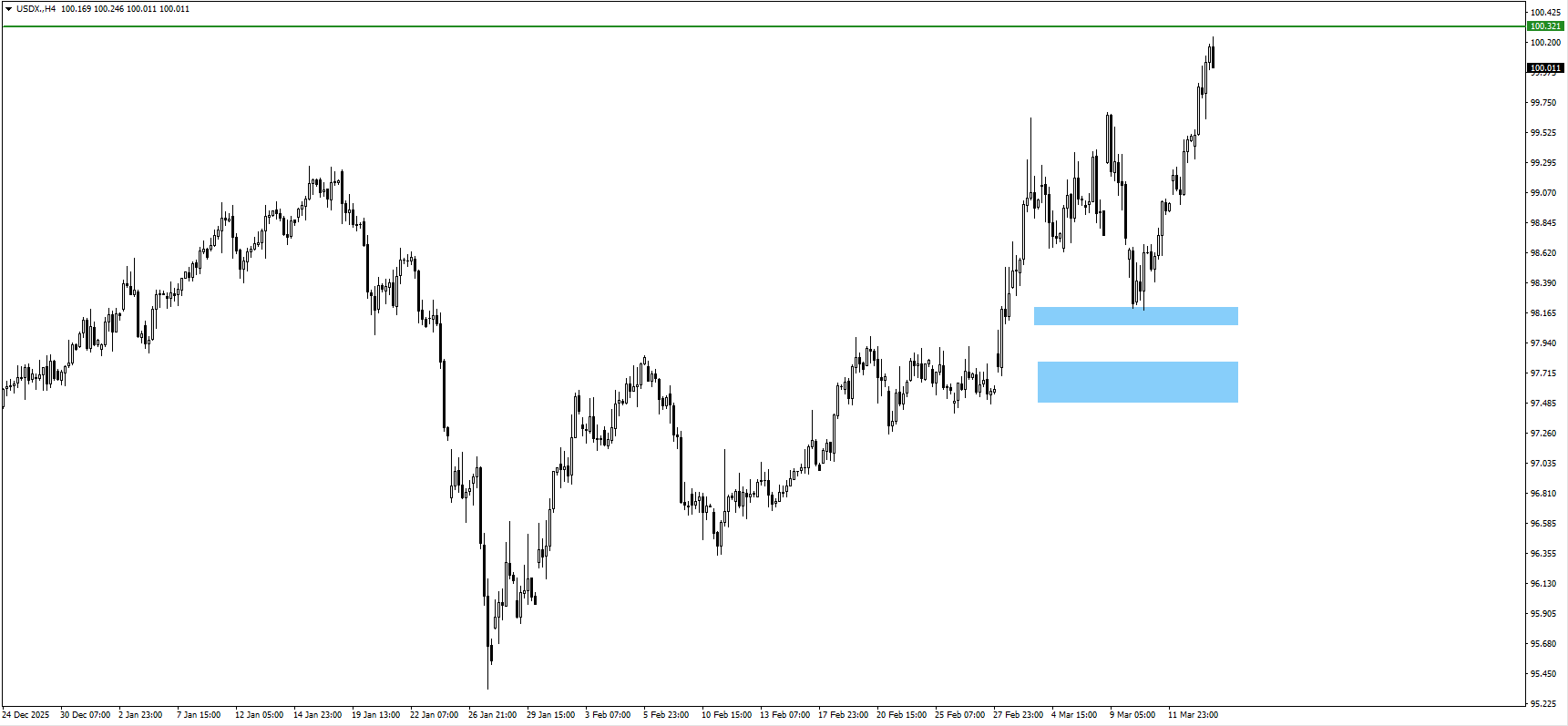
- USDX completed a five-wave advance.
- 100.321 remains the next upside target if dollar strength continues.
S&P 500 (SP500)
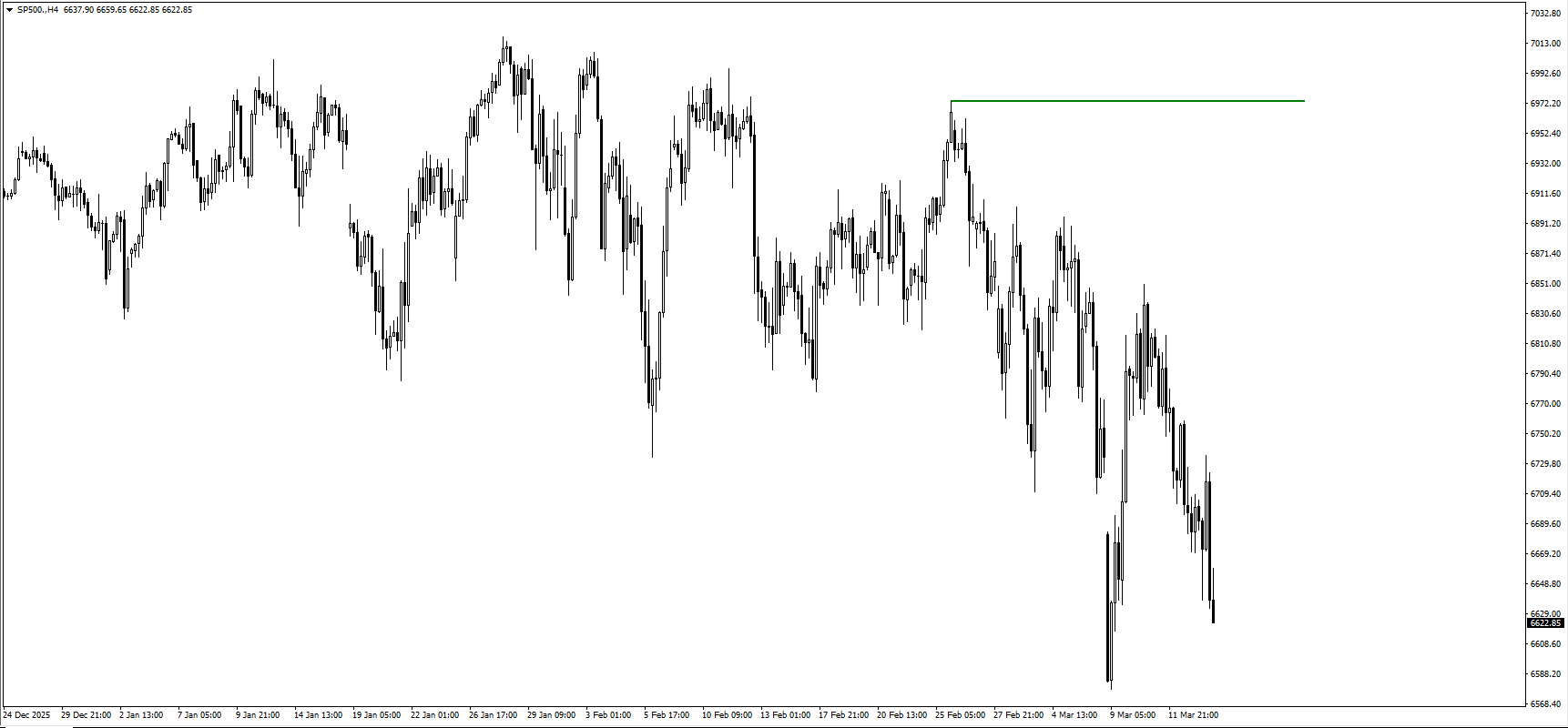
- SP500 erased more than 50% of weekly gains during Friday’s session.
- 6,517 becomes the key downside trigger for sellers.
USDJPY
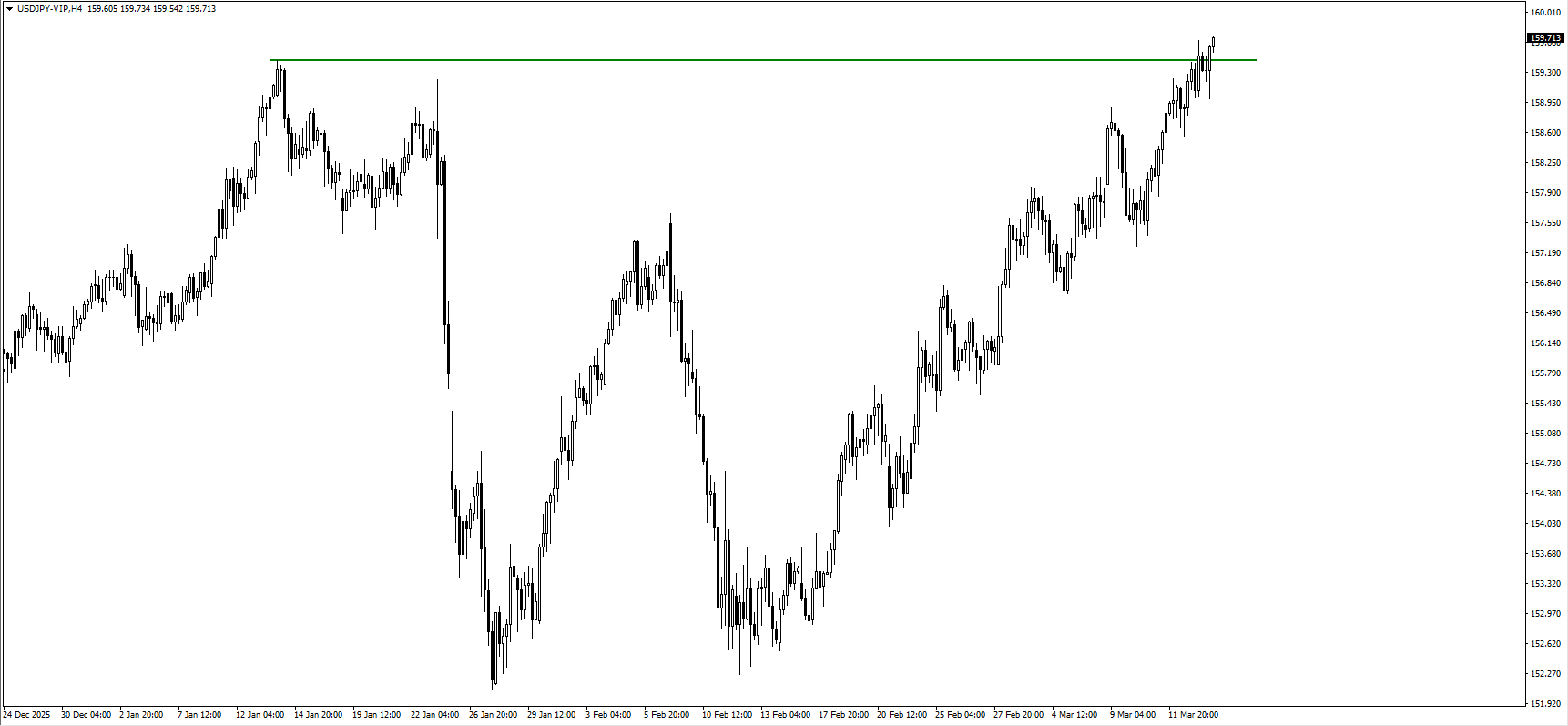
- USDJPY broke above the 159.45 high, signalling continued yen weakness.
- Traders now watch 160.00 as the next psychological level ahead of the BOJ press conference.
Bottom Line
The central market theme this week revolves around the interaction between geopolitics, oil prices and monetary policy. Rising energy prices from the Middle East conflict increase inflation risk just as traders anticipate potential Fed easing.
That tension creates a volatile backdrop for XAUUSD, BTCUSD and SP500, while USDJPY approaches the psychologically important 160 level ahead of the BOJ decision.
Central bank communication from the FOMC and BOJ may therefore determine whether markets stabilise or enter another phase of macro-driven volatility.
Create a live VT Markets account today to access our platform features, including market insights and educational content.
Trader FAQs
- Why are oil prices driving markets this week?
Oil sits at the centre of the macro story because the Middle East conflict has turned energy supply risk into an inflation risk. If crude stays elevated, traders may push Fed rate cut expectations further out, which can ripple through XAUUSD, USDX, BTCUSD and SP500.
- Why does the Strait of Hormuz matter so much to traders?
The Strait of Hormuz handles a large share of global oil flows, so any threat there can keep crude prices bid. For traders, that means higher inflation pressure, more uncertainty around central bank policy, and wider volatility across commodities, currencies and equities.
- How do higher oil prices affect Fed rate cut expectations?
Higher oil prices can keep headline inflation sticky even if broader growth begins to soften. That makes it harder for the Fed to sound dovish, because cutting too soon could risk another inflation push.
- Why is XAUUSD under pressure if geopolitical risk is rising?
Gold usually benefits from fear, but it also reacts to the dollar and interest rate expectations. If traders respond to war-driven inflation by buying USDX and pushing back Fed rate cut expectations, XAUUSD can struggle even in a tense geopolitical backdrop.
- What is the key level to watch on XAUUSD this week?
The first downside level is 4,996.04. If that gives way, traders may start looking for a deeper move, while 4,842 remains the area where buyers could step back in.
Start trading now – Click here to create your real VT Markets account







