






Key Takeaways
- The CLARITY Act debate in Washington is creating uncertainty across digital asset markets as lawmakers struggle to finalise a regulatory framework for crypto.
- Banking opposition to stablecoin rewards highlights a growing battle between traditional finance and the emerging digital asset economy.
- The Trump administration is pushing for faster crypto regulation, arguing delays could push innovation overseas.
- Traders are also watching US CPI inflation data, which may influence Federal Reserve rate expectations and US dollar strength.
- Key technical levels remain in focus across major markets, including gold near $4,996, Bitcoin defending $62,502 and USDX testing resistance near 99.631.
One of the biggest developments shaping market sentiment this week is the growing political battle around the Digital Asset Market Clarity Act of 2025, widely known as the CLARITY Act.
The legislation was originally designed to reset the regulatory framework for digital assets in the United States. After passing the House of Representatives with strong bipartisan support last year, the bill aimed to clearly divide regulatory authority between the Securities and Exchange Commission (SEC) and the Commodity Futures Trading Commission (CFTC).
However, progress has slowed dramatically in the Senate. What began as a technical attempt to define crypto market structure has evolved into a broader economic debate about the future of digital finance and the role of the traditional banking system.
For traders, the outcome matters because regulatory clarity could unlock institutional participation in digital assets, while prolonged delays may continue to create volatility in crypto markets.
Why the Bill Has Stalled in Washington
The primary obstacle facing the CLARITY Act is a breakdown in negotiations over the revised Senate version of the bill.
While the House legislation moved quickly, Senate discussions encountered resistance early in 2026. A scheduled markup session in January was postponed indefinitely after several major industry participants withdrew their support for the latest draft.
Crypto firms argued that the revised proposal introduced rules that were too restrictive and could limit innovation in the sector.
The White House attempted to force progress by setting a drafting deadline of March 1, 2026, but that date passed without an agreement. The delay has now become a focal point for markets watching how the United States intends to regulate the rapidly growing digital asset economy.
Banking Opposition and the Risk of Deposit Flight
Traditional banks have emerged as some of the most vocal opponents of the current version of the legislation.
Their concerns centre around a provision that would allow stablecoin issuers and crypto platforms to offer interest-like rewards on digital dollar tokens. Banks argue that this could create a powerful incentive for consumers to move deposits away from traditional savings accounts and into crypto wallets.
Industry estimates suggest that if stablecoins begin offering yields around 5%, while conventional savings accounts remain far lower, the shift could pull substantial liquidity out of the banking system.
The American Bankers Association has warned that this migration could remove as much as $500 billion in deposits from the US banking sector by 2028.
For financial markets, the debate highlights a deeper conflict between legacy financial institutions and emerging digital asset platforms.
Trump Administration Pushes Crypto Agenda
President Trump has taken a more direct role in the debate, framing the CLARITY Act as a key pillar of his administration’s digital asset strategy.
In recent statements, the administration has criticised major banks for lobbying against the bill, accusing them of attempting to protect their profit margins by slowing regulatory reform.
The White House has also argued that delays could push digital asset innovation overseas, particularly toward countries that are already implementing clearer regulatory frameworks.
From the administration’s perspective, establishing the United States as a global centre for crypto innovation is both an economic and geopolitical objective.
For traders, this political backing increases the likelihood that some form of regulatory framework will eventually emerge, although the timeline remains uncertain. Read recent economic updates connected to Trump here.
Possible Paths Toward a Compromise
Despite the current stalemate, policymakers are exploring several potential compromises.
One proposal from the White House would allow stablecoin rewards only when tokens are actively used for payments, while preventing interest-style rewards on idle balances that resemble traditional savings accounts.
Another development gaining traction is the rise of federal trust bank charters for crypto companies. Several fintech and digital asset firms have recently applied for or received these charters through the Office of the Comptroller of the Currency, allowing them to operate with a degree of federal oversight while broader legislation remains unresolved.
While these measures do not replace the CLARITY Act itself, they may offer a temporary pathway for the industry as lawmakers continue negotiations.
Legislative Timeline Traders Should Watch
The political calendar is also becoming a critical factor.
With US midterm elections approaching in 2026, the window for passing the legislation is narrowing.
Current expectations suggest several key milestones:
- March 2026: Closed-door negotiations continue after the missed drafting deadline.
- April 2026: New rules around federal crypto charters could begin taking effect.
- May 2026: Final opportunity for a Senate Banking Committee markup before election season dominates the agenda.
- August 2026: Target window for a full Senate vote.
- January 2027: Potential implementation date if the bill passes before year-end.
For markets, these milestones will shape expectations for regulatory clarity and could influence the trajectory of digital asset investment in the United States.
Key Symbols to Watch
Gold (XAUUSD) | Bitcoin (BTCUSD) | USDX | SP500
Upcoming Events
| Date | Currency | Event | Forecast | Previous | Analyst Remarks |
| Mar 11 | USD | CPI y/y | 2.50% | 2.40% | Inflation data may reshape Fed rate expectations |
| Mar 12 | GBP | BOE Gov Bailey Speech | — | — | Markets watching signals for upcoming rate decisions |
| Mar 13 | USD | GDP m/m | 0.20% | 0.10% | Growth data gauges economic momentum |
| Mar 13 | USD | Core PCE Price Index | 0.40% | 0.40% | Fed’s preferred inflation gauge |
| Mar 13 | USD | JOLTS Job Openings | 6.84M | 6.54M | Labour demand trends influence policy outlook |
For a full view of upcoming economic events, check out VT Markets’ Economic Calendar.
Key Movements Of The Week
Gold (XAUUSD)
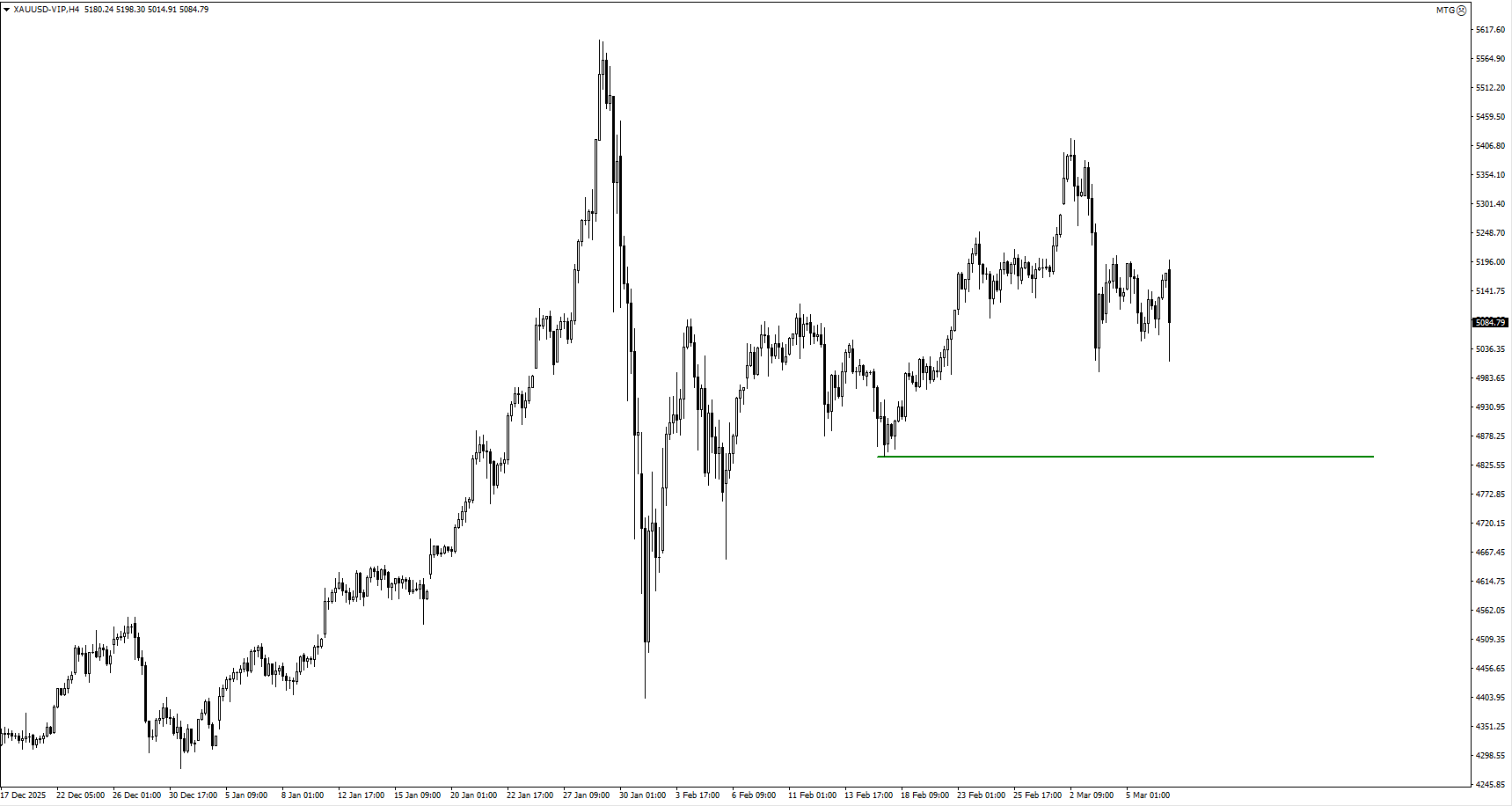
- XAUUSD consolidates above $4,996 support.
- Break below $4,842 may attract stronger sellers.
- CPI inflation data could trigger volatility.
Bitcoin (BTCUSD)
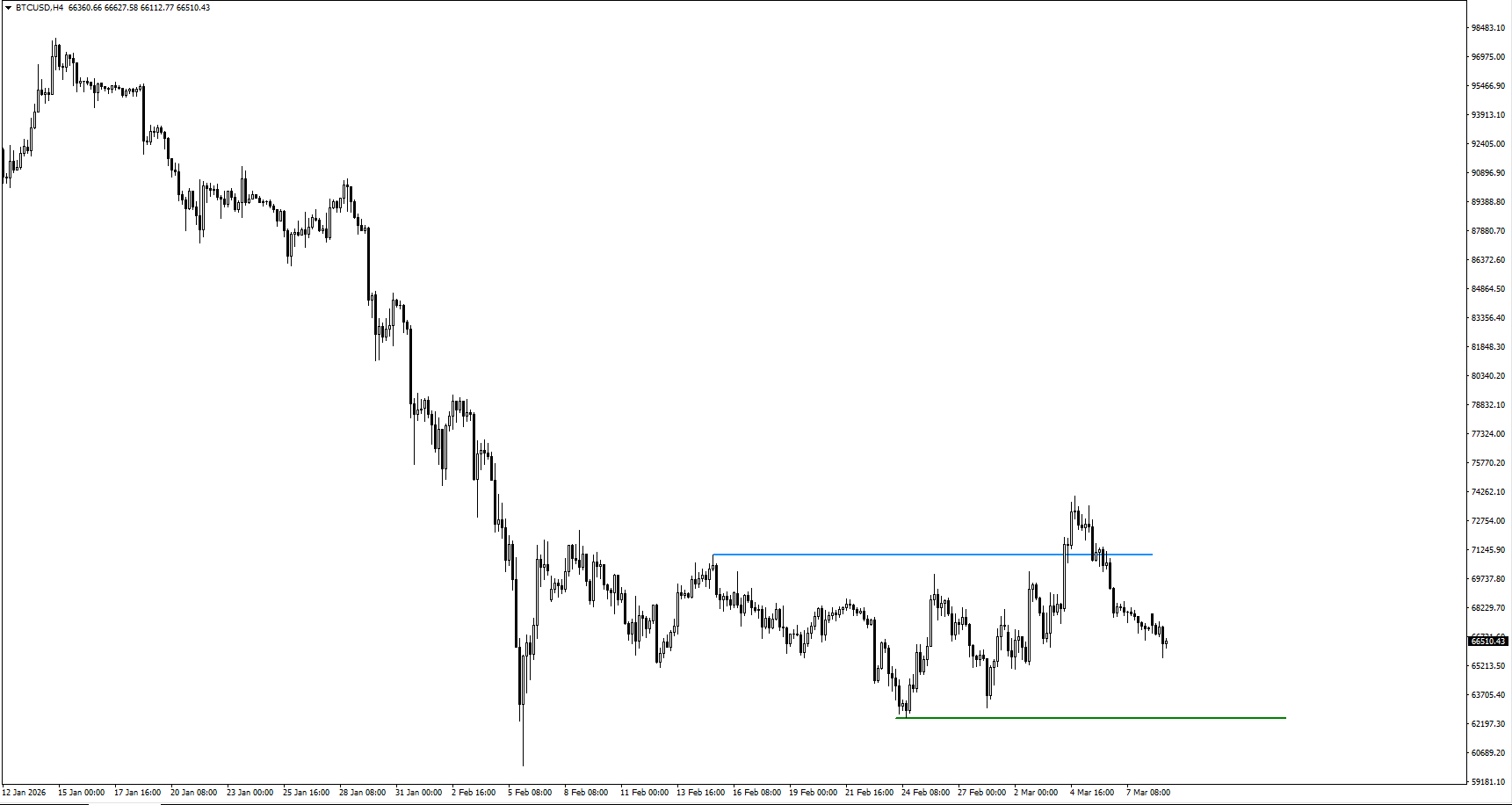
- BTCUSD rejected after breaking $70,969 swing high.
- $62,502 now acts as the final defence for buyers.
- Crypto regulation debate adds volatility risk.
US Dollar Index (USDX)
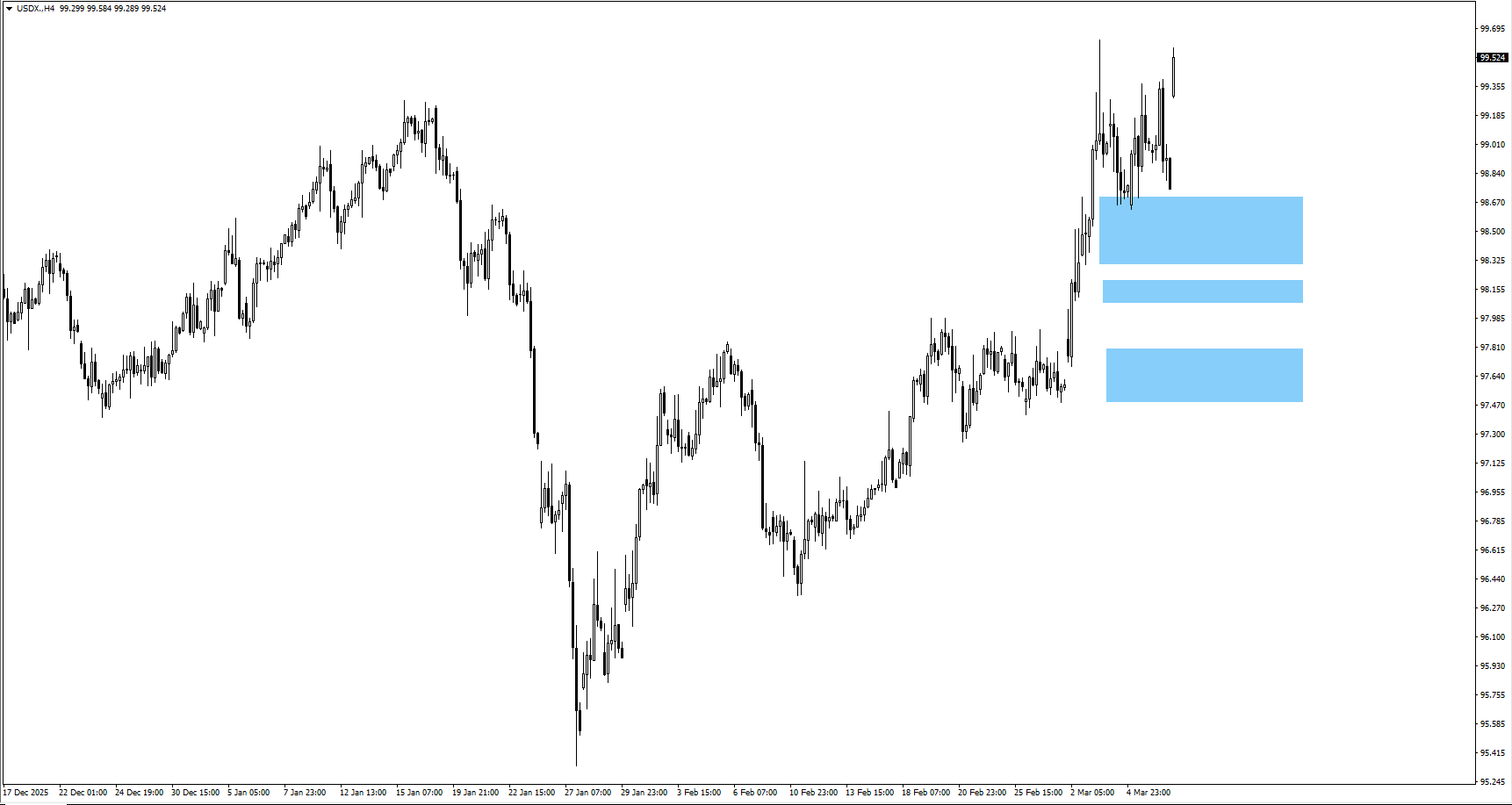
- USDX gapped higher at the start of the week.
- Break above 99.631 could trigger move toward 100.321.
- CPI may decide the next direction.
SP500
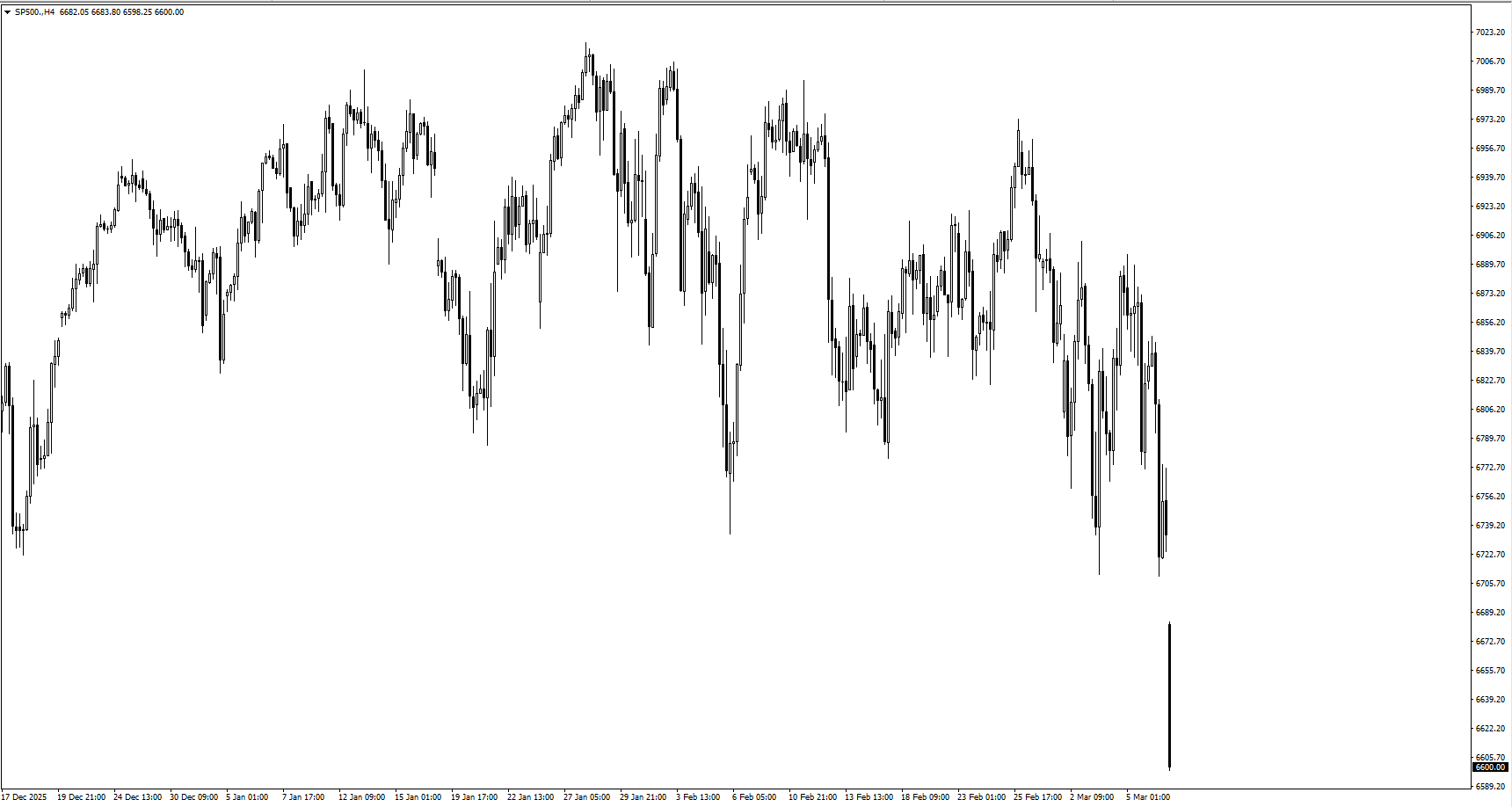
- SP500 failed near 6,902 resistance and printed a swing low.
- 6,517 now acts as the crucial support level.
- Geopolitical tensions increase volatility.
Bottom Line
Markets are entering the week with several competing forces shaping price action. Inflation remains the central macro driver, with US CPI expected at 2.5% year on year. A stronger reading could reinforce US dollar strength and delay expectations for Federal Reserve rate cuts.
At the same time, geopolitical tensions and rising oil prices above $100 are adding risk premium to global markets. Technically, gold continues to consolidate above $4,996, Bitcoin is defending the $62,502 support level after a failed breakout above $70,969, and the US Dollar Index is testing resistance near 99.631.
These levels will likely determine the next directional move as traders react to inflation data, regulatory developments in crypto markets, and shifting global risk sentiment.
Create a live VT Markets account today to access our platform features, including market insights and educational content.
Trader FAQs
- What is the outlook for gold prices this week?
Gold (XAUUSD) is trading in consolidation while markets wait for US CPI data. The key level to watch is $4,996, which currently acts as support. If gold falls below this level, sellers may begin targeting $4,842, where stronger downside momentum could develop. Inflation data and US dollar strength will likely determine the next major move. - Why did Bitcoin fall after breaking above $70,000?
Bitcoin briefly broke above the $70,969 swing high, but the move quickly reversed as traders took profit and risk sentiment weakened. The market is now defending $62,502, which has become the most important support level in the current structure. A sustained break below this level could open the door for a deeper correction. - How does the CLARITY Act affect Bitcoin and crypto markets?
The Digital Asset Market Clarity Act aims to define regulatory oversight between the US Securities and Exchange Commission (SEC) and the Commodity Futures Trading Commission (CFTC). However, the bill has stalled in the Senate due to disagreements around stablecoin rewards and banking oversight. This regulatory uncertainty is contributing to volatility in Bitcoin and broader digital asset markets. - Why is the US CPI important for traders?
US Consumer Price Index (CPI) data measures inflation and strongly influences expectations for Federal Reserve interest rate decisions. If inflation comes in higher than expected, the Federal Reserve may delay rate cuts, which could strengthen the US dollar and pressure assets such as gold and Bitcoin. - What levels should traders watch in the US Dollar Index (USDX)?
The US Dollar Index recently gapped higher, with traders watching 99.631 as the immediate resistance level. If the dollar breaks above this level, it could move toward 100.321, strengthening the currency further and potentially weighing on commodities such as gold.
Start trading now – Click here to create your real VT Markets account







